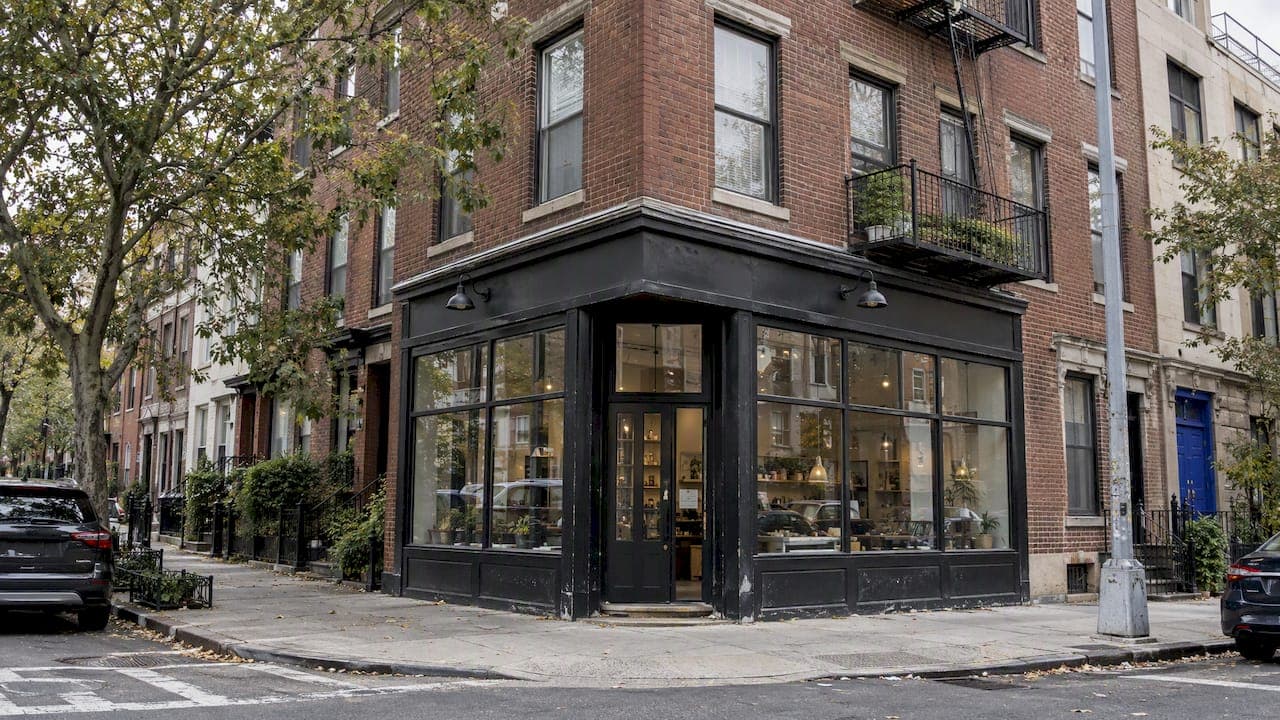
Mixed-use financing is not one product. It is a set of loan types (bank term loans, agency multifamily, DSCR, bridge, construction) that each treat a building with apartments over retail differently. The loan you can place depends on the income split, the property's use, the appraisal and the borrower. This guide shows how to read a mixed-use deal, which lender types fit which scenario, and where these files tend to stall.
TL;DR
- Lenders sort mixed-use deals by the share of residential versus commercial income, so lead your submission with that split.
- Agency money (Fannie Mae, Freddie Mac) can work for mixed-use, but only with tight eligibility and coverage rules.
- Appraisal and zoning problems kill more mixed-use files than leverage does. Check legal use before you shop the deal.
- DSCR, bridge and private money fill the gaps when a property is not yet stabilized or the borrower does not fit a bank box.
- Matching the scenario to lenders who already want it saves more time than sending it to a longer list.
Table of Contents
- What lenders mean by mixed-use
- The main financing routes
- Residential versus commercial: where the rules change
- What lenders underwrite
- Where mixed-use files stall
- How to package a mixed-use deal
- Perspective: match first, package second
- Using BrokersConnect on a mixed-use deal
- FAQ
- Sources
What lenders mean by mixed-use
A mixed-use property combines two or more uses in one building or project. The classic case is multifamily over ground-floor retail. Others include office over restaurant, a live-work building, or a medical suite beside apartments.
To a lender the label matters less than the mix. A building that is 85% apartments with a small storefront is usually underwritten much like multifamily. A building that is mostly retail with a few apartments upstairs is underwritten like commercial. The same address can land in different credit boxes depending on who looks at it.
That is why a broker's first job is to describe the asset in the lender's terms: square footage by use, rent by use, lease terms on the commercial tenants, and occupancy of each part.
The main financing routes
Most mixed-use deals land in one of five buckets. Here is how they compare.
| Route | Best for | Typical gating factor |
|---|---|---|
| Bank or credit union term loan | Stabilized buildings with a local, experienced owner | Relationship, global cash flow, deposits |
| Agency multifamily | Mostly residential buildings with stable occupancy | Commercial share, coverage and occupancy tests |
| DSCR loan | Investors who qualify on property income, not tax returns | Rent covers the payment |
| Bridge or private money | Lease-up, renovation, quick closings | Exit plan and sponsor strength |
| Construction financing | Ground-up or heavy rehab | Budget, experience, equity |
Bank and credit union term loans
Local and regional banks remain the natural home for stabilized mixed-use buildings, particularly in dense neighborhoods where they know the street. They often want the borrower's other business too. Expect a full look at the sponsor's global cash flow. Terms usually run fixed for a period, then reset.
These lenders can be slow, and each has its own appetite for retail exposure. A bank that loves small apartment buildings with a corner deli may pass on one with an empty restaurant space.
Agency multifamily
Agency programs can finance eligible mixed-use property, but the rules are specific. Freddie Mac's multifamily products that support eligible mixed-use property generally call for at least 90% occupancy for 90 days. Its fixed-rate products generally require a minimum 1.25x debt coverage ratio and offer maximum LTVs of 85% to 90%, depending on the program, per the same document. That document concerns bond credit enhancement for affordable housing, so confirm the terms of the specific program with the lender before you quote them to a client.
Agency money is attractive on rate and term, but it rewards a clean, mostly residential building. If the commercial component is large, vacant or short-term, move on to another route early.
DSCR loans
DSCR programs qualify the property rather than the person. As one lender describes its program, the property's rent covers the payment and that is the qualification. This suits investors stepping up from single-family rentals to small mixed-use buildings, where tax returns and personal income documentation get complicated.
Program limits vary widely: minimum loan size, maximum leverage, how commercial rent is counted, and whether vacant commercial space is credited. Do not assume a residential DSCR program accepts a storefront. Ask first.
If you want a deeper look at coverage math, our piece on DSCR versus NOI explains why files get rejected at 1.25x when the numbers looked fine.
Bridge and private money
When a building is half empty, needs a gut renovation or must close in three weeks, a bridge lender or private money source is often the only realistic answer. You are underwriting the business plan and the exit. Pricing is higher, and so is the importance of showing a credible takeout, usually a refinance into a bank or agency loan once the building stabilizes.
Construction financing
Ground-up mixed-use brings the longest list of requirements: entitlements, budget, contractor, sponsor track record, equity. Our construction lender requirements guide covers what these lenders ask for.
Residential versus commercial: where the rules change
The line between a home loan and a commercial loan runs right through mixed-use property, and it is where first-time commercial brokers get surprised.
Fannie Mae does purchase or securitize mortgages on properties with a business use in addition to residential use, but the eligibility is narrow. Per its guide, the property must be a one-unit dwelling occupied by the borrower as a principal residence, and the borrower must own and operate the business on site. The residential nature cannot be compromised. Appraisals must describe the mixed-use characteristics and confirm that the business use is legal under local zoning. Under standard guidelines, properties with accessory dwelling units are ineligible for this treatment.
In plain terms, that is a home with a small home-based business, not a four-story building with tenants downstairs. For an investor buying a real mixed-use building, you are in commercial or multifamily territory.
Freddie Mac sets a similar tone on its single-family side. Its updated rules say that mixed-use properties are not eligible for a desktop appraisal, so an interior and exterior inspection is required.

What lenders underwrite
Cash flow, with stress
Federal interagency guidelines say that underwriting must be clear and measurable. Lenders are expected to run sensitivity analysis on variables such as interest rates, vacancy and operating expenses, and to watch local zoning, demographic trends and market absorption, not just current cash flow.
For your submission, that means expecting a stressed case. If your deal only works at 100% occupancy and today's expenses, the credit officer will find that out in an hour. Run your own stress first, and show it.
Two documents carry most of this weight. A clean rent roll shows lease terms and tenant quality; see our one-hour rent roll analysis. A trailing twelve-month statement shows real expenses; see how to read and adjust a T12.
Commercial tenant quality
Apartment rents are diversified across many tenants. A single retail tenant is not. Lenders look hard at lease length remaining, the tenant's credit or operating history, whether the lease is gross or triple net, and rollover risk. A national tenant with seven years left reads very differently from a month-to-month cafe.
The local market
Because lenders watch absorption and rent trends, a market baseline helps you defend your rent assumptions. A local rental market baseline by ZIP is the kind of reference point that supports a rent claim better than an owner's pro forma.
Appraisal and valuation
For commercial loans above $500,000, federal regulators generally require a full appraisal by a state-certified appraiser, and $1 million or more calls for a certified (not merely licensed) appraiser. Broker price opinions and automated estimates are not enough for lender diligence. Institutions must also choose appraisers independently of loan production.
Practically, that means you cannot promise a value. Budget time for the appraisal, and for mixed-use buildings expect the appraiser to need leases, zoning documentation and operating history. Our third-party reports guide lays out what to order and when.
Where mixed-use files stall
These are the problems we see most often in this asset class:
- Zoning or legal-use gaps. The apartment was never permitted, or the ground floor is used differently than the certificate of occupancy says. Check this before you pitch.
- Commercial share too high for the chosen program. A deal that fits a bank may not fit an agency product. Decide the route before you build the package.
- Vacant retail counted as income. Many lenders will give it little or no credit. Show the realistic number.
- Mismatched lender. A lender that mostly does residential investor loans gets a retail-heavy deal and passes in a day, after you waited a week.
- Thin sponsor story. Bridge and construction lenders want to see experience with this kind of building. If the borrower is new, say what the team brings.
How to package a mixed-use deal
Use this order. It mirrors how a credit officer reads.
- One-paragraph summary: what the asset is, the ask, and the use of proceeds.
- Use mix: square footage and income by residential and commercial component.
- Rent roll and T12: with your adjustments explained.
- Commercial leases: term, rent, structure, tenant information.
- Sponsor profile: experience, liquidity, credit, real estate owned.
- Business plan and exit: especially for bridge or construction.
- Zoning and permits: proof that every use is legal.
Then send it to lenders whose boxes the deal fits, not to everyone on your list.
Perspective: match first, package second
We built BrokersConnect around a simple observation. Brokers do not lose mixed-use deals because they lack lenders. They lose time on the wrong ones. A deal with 60% retail income goes to a lender that wants apartments, the answer comes back in a week, and the borrower's contract clock keeps running.

Our view is that the sequence matters. Define the scenario in the terms lenders use: property type, loan size, location, leverage, credit profile, purpose and structure. Then find the sources most likely to consider it. Only then spend time on the polished package. Mixed-use is where this discipline pays most, because the credit boxes are less obvious than for a plain apartment building or a plain strip center.
We also think brokers should track every lender conversation in one place. Mixed-use deals tend to involve follow-ups on leases, zoning and appraisal, and those details get lost in email threads.
— Theron
Using BrokersConnect on a mixed-use deal
BrokersConnect is a platform for commercial brokers that matches your loan scenario against a database of 289+ verified lenders, then lets you submit the scenario, send it to several lenders in a batch, and track the replies in a pipeline. It also includes a secure document vault, deal templates, AI tools for packaging and underwriting, a fee calculator and a lender responsiveness leaderboard.
Pricing is flat: BrokersConnect costs 50 USD per month, with a free trial and no commissions or transaction fees. For a broker who handles mixed-use only occasionally, the practical gain is not having to rebuild a lender list for each deal. For a more general look at how matching works, read our broker's matching guide to commercial mortgage lenders or the overview of how a financing platform speeds up lender matching.
FAQ
What type of loan is used for a mixed-use property?
It depends on the building and the borrower. Stabilized buildings often go to bank term loans or agency multifamily. Investors who qualify on rent use DSCR loans, and properties in transition use bridge or private money. Ground-up projects need construction financing.
Can I get a DSCR loan on a mixed-use property?
Often yes, but program rules vary. Some DSCR lenders qualify on property rent alone, yet each sets its own minimum loan size, leverage and treatment of commercial income. Confirm that a lender accepts the commercial share before you submit.
What are the Fannie Mae guidelines for mixed-use properties?
Fannie Mae's guide covers one-unit principal residences where the borrower runs a business on site. The residential character must stay intact, and the appraisal must confirm the business use is legal under zoning. Investor-owned apartment buildings with storefronts fall under multifamily or commercial programs instead.
Do mixed-use loans need a full appraisal?
For commercial loans above $500,000, regulators generally require a state-certified appraiser, and $1 million or more calls for a certified appraiser. Freddie Mac's single-family side also does not allow desktop appraisals for mixed-use. Plan for an interior and exterior inspection either way.
Sources
- Fannie Mae Selling Guide: Special Property Eligibility Considerations
- Freddie Mac: Bond Credit Enhancement program document
- Freddie Mac Selling Updates: desktop appraisal eligibility
- Federal Reserve: Interagency Guidelines on Policies
- LegalClarity: Commercial Real Estate Lending Guidelines
- FlexPoint: DSCR Multifamily and Mixed-Use Loans