
There is no single best commercial mortgage lender. The right lender is the one whose current appetite matches your deal's asset class, leverage, and loan purpose. Shortlist the lender type first, then run targeted outreach or use a lender-matching platform to find who is actively allocating. As the Mortgage Bankers Association's league tables show, origination leadership shifts by year and by capital source. The U.S. Small Business Administration (SBA) adds another lane for owner-occupied deals. Thecrebrokersconnect gives brokers a direct path to 289+ verified lenders across all of these categories.
Apply three filters before you contact anyone:
- Asset class fit: Does the lender actively fund your property type right now?
- Leverage tolerance: Does their LTV or DSCR floor match the deal's capital stack?
- Speed and track record: Can they issue a term sheet and close within your timeline?
Table of Contents
- What are the best commercial mortgage lenders for your deal?
- What should your deal submission package include?
- How do you negotiate loan terms beyond the rate?
- How does borrower credit profile affect lender fit and pricing?
- How do you tailor financial packages to different lender expectations?
- Thecrebrokersconnect gives you the lender database and the workflow
- Key Takeaways
What are the best commercial mortgage lenders for your deal?
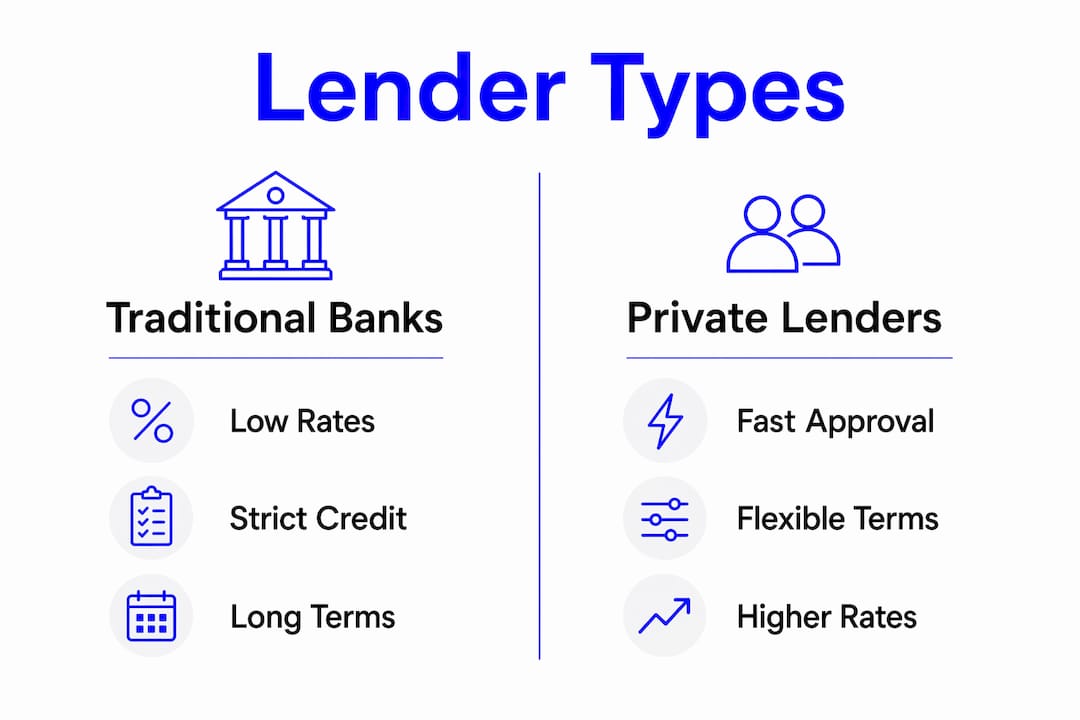
Lender fit over headline rate is the consistent advice from seasoned brokers. The table below maps each lender type to the scenarios where it wins.
| Lender Type | Best For | Typical Loan Size | Typical LTV | Speed | Pricing / Fees | Recourse | Geographic Focus | Doc Flexibility |
|---|---|---|---|---|---|---|---|---|
| BrokersConnect | Brokers matching any asset class via AI lender search + batch outreach | All sizes | All ranges | Immediate match; close speed depends on matched lender | Flat subscription, no commission | N/A (matching platform) | National | High |
| JPMorgan Chase | Stabilized multifamily, large corporate borrowers | — | — | — | Competitive; agency pricing available | Non-recourse available | National | Moderate |
| Walker & Dunlop | Complex or larger deals needing multi-source capital | — | Varies by source | 3 weeks | Market-rate; advisory fees apply | Varies by capital source | National | Moderate–High |
| U.S. Bank | Owner-occupied properties; SBA 504/7(a) borrowers | — | Low down payment (SBA) | — | Competitive bank pricing | Recourse typical | Regional/National | Moderate |
| Berkadia | Large-scale multifamily; capital markets distribution | Large loan sizes typical | Moderate loan-to-value ratios | Several weeks to term sheet | Market-rate | Non-recourse available | National | Moderate |
| Wells Fargo | Construction to permanent; stabilized bank financing | Moderate to large loan sizes | Moderate loan-to-value ratios | Several weeks to term sheet | Competitive | Recourse or non-recourse | National | Moderate |
| Bank of America | Mid-to-large borrowers; agency and bank programs | Moderate to large loan sizes | Moderate loan-to-value ratios | Several weeks to term sheet | Competitive for strong sponsors | Non-recourse available | National | Moderate |
Key distinctions by lender type:
- Agency lenders (Fannie/Freddie programs): Best for stabilized multifamily with long amortizations and non-recourse terms. Life companies offer similar long-duration financing at conservative LTVs for core assets.
- CMBS: Non-recourse, fixed-rate, and property-cash-flow driven. Understanding CMBS mechanics matters when comparing prepayment structures and defeasance costs.
- Debt funds / bridge lenders: Faster execution, looser documentation, higher rates and fees than bank or agency sources. Right for transitional assets or time-sensitive closings.
- SBA 504/7(a): Low down payment and long amortizations for owner-occupied properties, but occupancy thresholds and documentation requirements are strict. See the SBA vs. commercial loan breakdown for eligibility detail.
- Mortgage banking intermediaries: Walker & Dunlop and similar firms package loans from multiple capital sources rather than always lending off their own balance sheet. Ask upfront whether you are dealing with a balance-sheet lender or an intermediary.
Pro Tip: Target lenders by their current "hot" asset classes and active geographies, not just their published minimums. A lender actively allocating to industrial in the Sun Belt will move faster and price better than one doing you a favor outside their focus.
What should your deal submission package include?
A clean package cuts lender response time. Send these in every initial submission:
- Executive summary: Property type, location, loan amount, LTV, loan purpose, and sponsor overview in one page.
- Rent roll and operating statements: T-12 and prior year actuals; trailing 3-month for value-add plays.
- Borrower financial package: Personal financial statement, schedule of real estate owned, and last two years of tax returns.
- Property details: Photos, site plan, recent appraisal or broker opinion of value, and any environmental reports.
- Sources and uses: Full capital stack with equity contribution clearly stated.
For outreach, keep the initial lender email to three sentences: property type and location, loan amount and LTV, and the ask (term sheet, quote, or a call). Lenders filter fast. A bloated first email gets skipped.
How do you negotiate loan terms beyond the rate?

Rate is one line on the term sheet. These provisions often matter more:
Interest rate structure: Fixed vs. floating changes your borrower's exposure entirely. A floating-rate bridge loan tied to SOFR with a rate cap is a different risk profile than a 10-year fixed agency loan.
Prepayment penalties: Defeasance (common in CMBS) and step-down prepayment schedules (common in agency) can cost hundreds of thousands of dollars if the borrower sells or refinances early. Yield maintenance is the most expensive exit. Know which structure the lender uses before you get to closing.
Flexibility provisions: Look for open prepayment windows, extension options on bridge loans, and whether the lender allows assumption. These matter when market conditions shift.
Push back on origination fees, exit fees, and rate floors. Most lenders have room on fees even when the rate is firm.
How does borrower credit profile affect lender fit and pricing?
A borrower's credit profile directly determines which lender types will engage and at what price. Banks and agency lenders typically require a minimum credit score in the mid-600s, strong DSCR (usually 1.20x or above), and a track record of managing similar assets. Thin credit or a first-time sponsor narrows the field to debt funds and private lenders, which price the added risk into the rate.
DSCR is the single metric lenders weight most heavily for income-producing properties. A deal at 1.10x DSCR will face a shorter lender list and higher pricing than the same deal at 1.30x. Sponsor net worth and liquidity requirements vary by lender type: agency programs often require post-closing liquidity equal to several months of debt service, while debt funds focus more on the asset's cash flow.
How do you tailor financial packages to different lender expectations?
Banks want clean, audited financials and a conservative underwriting narrative. Agency lenders want a complete rent roll, occupancy history, and proof of property management experience. CMBS underwriters focus almost entirely on in-place cash flow and the property's ability to service debt independently of the sponsor.
Debt funds and private lenders move faster and ask fewer questions upfront, but they will dig into the exit strategy. Show a clear path to stabilization or refinance. For SBA submissions, the occupancy certification and business financial statements are non-negotiable from day one.
Match the package to the audience. Sending a bank-style narrative to a debt fund wastes time. Sending a sparse one-pager to an agency lender kills the deal before it starts.
Thecrebrokersconnect gives you the lender database and the workflow
Spending hours on cold calls and lender lists is the slow way to close deals. Thecrebrokersconnect is built for brokers who need to move faster: match a deal scenario to active, verified lenders in minutes, then run batch outreach without leaving the platform.
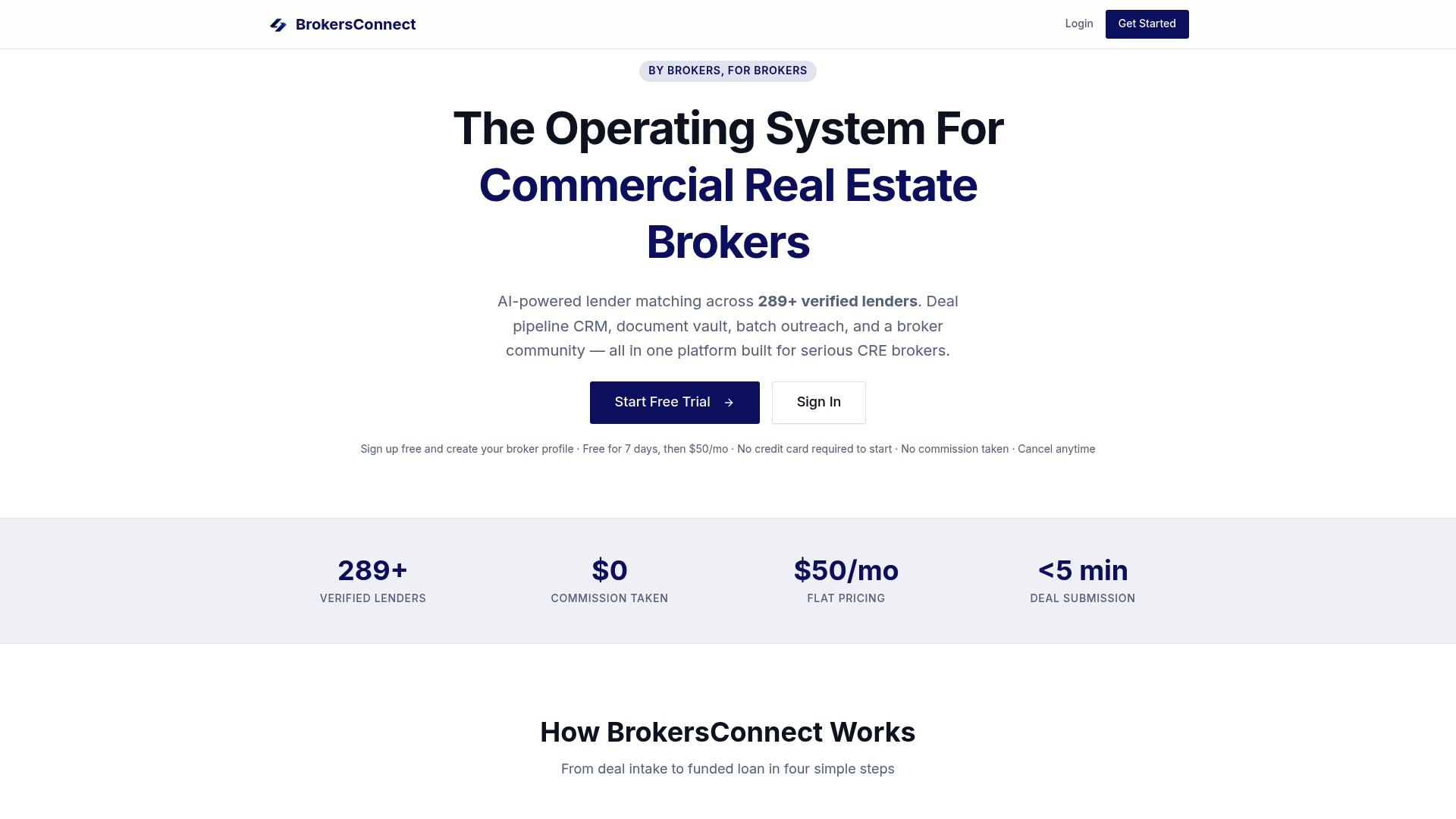
The platform covers 289+ verified lenders across every major asset class and loan type, with AI-powered matching that filters by property type, loan amount, location, leverage, credit profile, and transaction structure. The responsiveness leaderboard shows you which lenders are actually engaging, not just listed. A built-in deal pipeline CRM, secure document vault, and direct messaging keep every deal organized from first submission to close. Flat monthly subscription, no commission, and a free trial to start.
Start your free trial and upload your first deal scenario today.
Key Takeaways
Matching the lender type to the deal is the single most important step a broker can take before submitting any commercial financing package.
| Point | Details |
|---|---|
| No universal best lender | Lender fit depends on asset class, loan purpose, leverage, and current lender appetite. |
| Lender type drives speed and price | Debt funds close faster at higher rates; banks and agencies price lower but require more time and documentation. |
| Three filters first | Apply asset class fit, leverage tolerance, and lender track record before any outreach. |
| Negotiate beyond the rate | Prepayment structure, extension options, and exit fees often matter more than the headline rate. |
| Thecrebrokersconnect | Matches deal scenarios to 289+ verified lenders with AI-powered search, batch outreach, and a deal pipeline CRM. |